🦠
What's Covered
- Mold Removal
- Mold Remediation
- Mold Inspection & Testing
- Mold Containment
- HEPA Air Filtration
- Antimicrobial Treatments
- Mold & Mildew Odor Removal
- Dehumidification & Dryout
- Air Duct Cleaning
Serving Nassau & Suffolk Counties, NY
Call 516-540-6026
Humidity exposure varies a lot across the region. Coastal and waterfront communities in both counties deal with consistently higher ambient humidity and salt-air moisture, which accelerates mold growth in crawlspaces, basements, and exterior walls. Interior and inland communities see mold more often tied to specific moisture events — a slow plumbing leak, poor attic ventilation, or a past water damage claim that wasn't fully dried. Crews inspect for the pattern that fits your property before recommending a remediation plan. Restoration referral service — calls connect you with a licensed, insured, IICRC-certified local crew.
Crews locate the moisture source and assess the extent of growth with moisture meters and visual inspection.
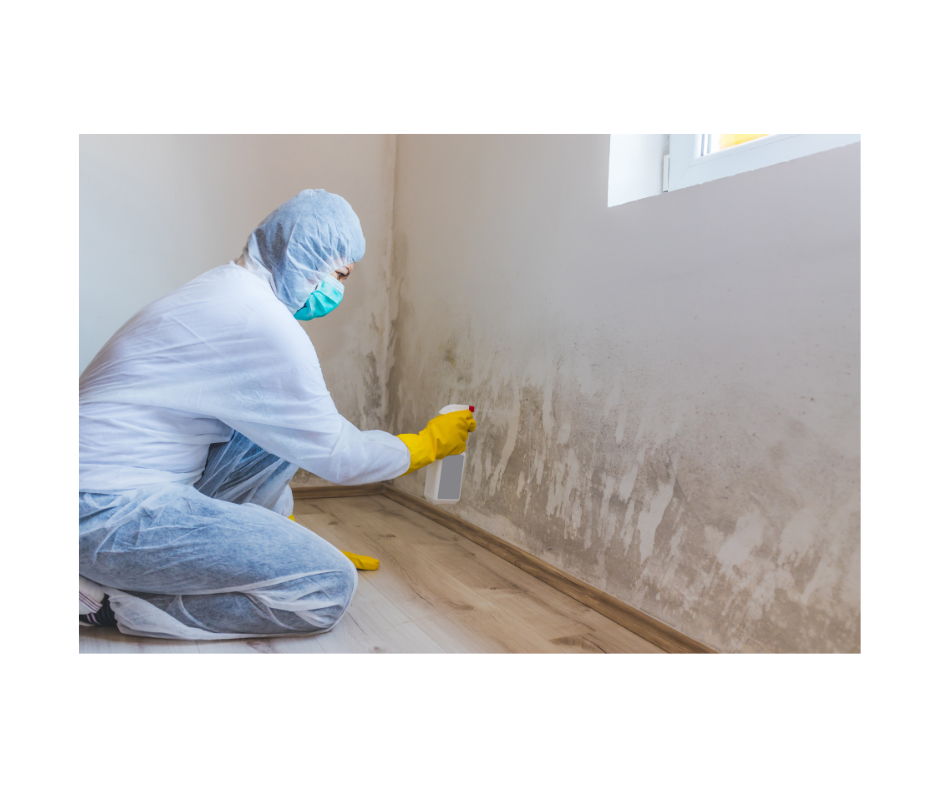
Affected areas are sealed off to prevent spores from spreading during removal.
Contaminated material is removed and remaining surfaces are treated with antimicrobial solutions.
Crews eliminate the moisture source so the conditions that caused the mold don't return.
Odor without visible growth usually means mold is active behind a wall, under flooring, or in the HVAC system. Crews use moisture meters and visual inspection to locate the source before opening anything up.
Coverage depends on the cause — mold resulting from a sudden covered event, like a burst pipe, is often covered; long-term neglect typically isn't. Crews help document the cause for your claim.
Most residential mold jobs are contained and cleared on a timeline that depends on the extent of the growth and materials affected.
Bleach can kill surface mold on non-porous materials, but it doesn't reach mold growing inside drywall, wood, or insulation. The process removes the moisture source and the contaminated material rather than masking it.
Crews offer both visual assessments and can arrange third-party air quality testing before and after remediation for full documentation.
Mold exposure can trigger allergic reactions and respiratory irritation, especially for children, the elderly, or anyone with asthma. Crews recommend addressing any visible growth promptly.
Not if the moisture source causing it is fully resolved. Crews focus on drying and correcting the underlying cause, not just removing visible growth.
Yes, crews inspect and can coordinate duct cleaning as part of a full remediation plan when mold has spread into the HVAC system.
Remediation refers to the full process — containment, removal, and addressing the moisture source. Removal is just one step within that process.
For small, contained jobs, often not. For larger jobs, crews may recommend staying elsewhere temporarily while containment and air scrubbing are underway.
Most commonly: unresolved water damage, high humidity in basements and crawlspaces, poor attic ventilation, and slow plumbing leaks.
Any warranty terms are set out in the service agreement with the restoration company.
Free on-site evaluation, direct insurance billing, crews dispatched 24/7 across Nassau & Suffolk Counties.
Call 516-540-6026